
Expert Lawn Care Professionals Serving Maryland & Northern Virginia
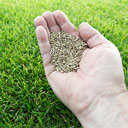
You know every spring when your neighbor’s yard looks like it’s full of doggy doo. It’s actually not. They ordered aeration and seeding for their bald and patchy grass. How’s your grass lookin’?
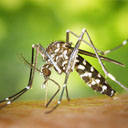
There is nothing worse than having some sweet tea in a storm of mosquitos and your animals full of ticks. Let us make your outdoor activities stress-free!

There is nothing worse than your good looking trees getting infected by pests and having to call all out the tree folks to chop it down. We’ll make your trees and shrubs protected and help them live a long life.

Imagine playing catch with your kids or playing croquet and tripping over mounds and holes created by nasty, pesky rodents… we’ll take care of it and no ankles will get broken.
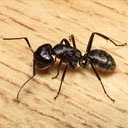
Our individualized plans are designed to get rid of pests on your property while also using some of the safest products that have passed both EPA inspection and our own safety qualifications.

Your home’s landscape beds are a major part of your property’s curb appeal. No one wants passerbys commenting on your unsightly beds! Let us make your property a hit.
Customized Lawn Care Programs
Want the best lawn care service around but at a price that works for you and your family? We are proud to offer our greenest lawn care options at a great deal. Below are three of our most popular solutions, as well as a variety of add-ons which can be added to any program. Give us a call today at 703-313-2056!
Your experienced & knowledgeable soil scientist will create a custom lawn care program based on your lawn’s needs. When enrolling in a basic program, your lawn will receive:
- Initial Analysis and Soil Test
- Multi-Treatment Fertilization
- Weed Prevention and Elimination
- Grub Control
- pH Adjustment
Price varies by property.
Grow a healthy lawn from the ground up with everything our basic program has to offer – plus core aeration and seeding with starter fertilizer. With this program, your lawn will enjoy:
- Initial Analysis and Soil Test
- Multi-Treatment Fertilization
- Weed Prevention and Elimination
- Grub Control
- pH Adjustment
- Core Aeration
- Seeding with SeedBOOST Starter Fertilizer
Price varies by property.
Ready to boost your home’s curb appeal and become the envy of your neighborhood? When enrolling in this program, your lawn will be treated with everything in our preferred program – plus disease & nutsedge control. In summary:
- Initial Analysis and Soil Test
- Multi-Treatment Fertilization
- Weed Prevention and Elimination
- Grub Control
- pH Adjustment
- Core Aeration
- Seeding with SeedBOOST Starter Fertilizer
- Disease Control
- Nutsedge Control
Price varies by property.
Expert lawn care, guided by the latest science and customized for the unique needs of your lawn.
Knowledgeable Experts • Safe, Quality Products • Science-Based Solutions
Our soil scientists love partnering with homeowners to achieve their lawn dreams.
Friendly, Professional Service is Our Pledge
Blades of Green’s professional team of lawn care and yard maintenance professionals put science to work for you, providing a premium product with high quality results you won’t find with another lawn care company.
Clients Love Us - No, Seriously… they do! But don’t take our word for it.

A long time customer of Blades of Green Lawn care, Great company very organized and well run. In addition to the great lawn service I have enjoyed over the years, I was contacted by the B.O.G. automated service alerting me of the arrival of the ZIKA mosquitos. I followed their advice and had both of my properties treated! Since the treatment I no longer have to fear getting a little head, or whatever this ZIKA thing causes. Great Job Guys!!- Joe Amato
I have used Blades of Green for almost ten years and my lawn is beautiful! They follow a good business model in that they always call ahead to let me know they are coming, and they give me a full report afterwards. Whenever there are any specific problems or issues with particular weeds or trouble spots, I get an immediate response. They are excellent technicians and always a pleasure to work with. Thank you Blades of Green for being so careful and professional with my precious lawn, trees and shrubs. I use the lawn service as well as pest control and am very happy knowing that my outdoor areas are well cared for.- Sharon Metro
I've been a customer for a very long time. Customer service is out of this world. Not only will I continue with their service I will recommend them to everyone. The technicians are always polite and on time and they're scheduling is always accommodating of my schedule.- Brady C.



Get a FREE Lawn Care Quote Now
Quick Quote Form
"*" indicates required fields
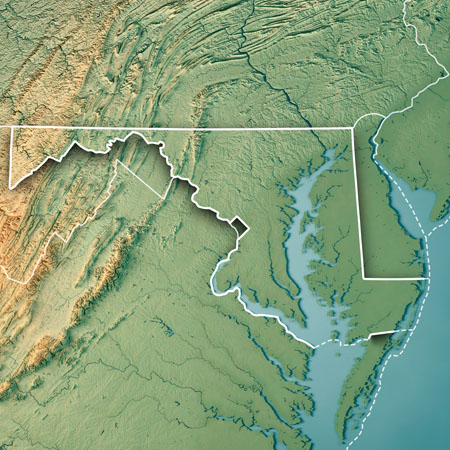
Areas We Serve
Winter Lawn Care & Pest Control Resources
Get Answers to Your Lawn Care Questions
Having a lawn care problem that you can't seem to solve? Send your question to our expert technicians and get the answers you need to get the beautiful lawn you deserve.
Ask An ExpertLawn Pests - Control & Extermination
Are yard pests wreaking havoc on your lawn or garden? Not a problem - Blades of Green has the tools and expertly trained staff to eliminate even the most pervasive and stubborn yard bugs and critters.
View Our Pest Control WebsiteLooking for a new and rewarding career?
Come and grow with us!
We couldn't do what we do without the team of dedicated, highly trained and talented professionals who focus on serving the individual needs of our clients every day. So many of our team members come for a job, but stay for a career. Discover the benefits of belonging to our family.
Opportunities Are Waiting